
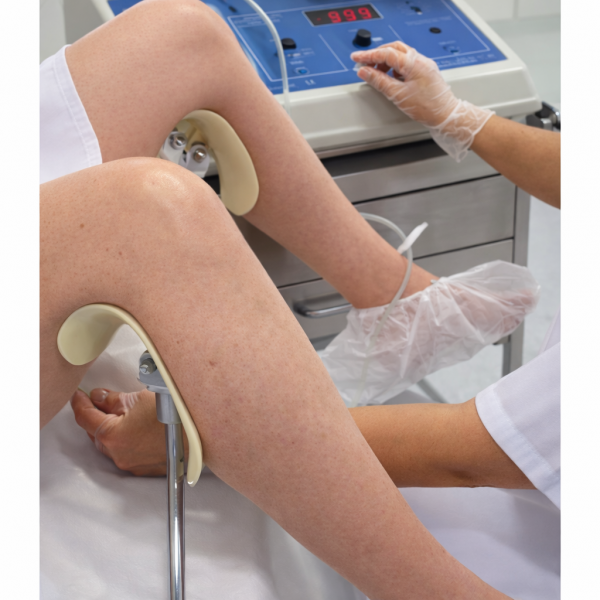
Ozone Therapy for Vulvovaginitis – A Natural Approach to Supporting Vaginal Health
Vulvovaginitis is one of the most common gynecological conditions affecting women of all ages. It refers to inflammation of the vulva and the vagina and may be caused by bacteria, fungi, viruses, or an imbalance in the natural vaginal microflora.
Typical symptoms include itching, burning, abnormal discharge, unpleasant odor, and discomfort in the intimate area. Although conventional treatment usually involves medications such as antibiotics or antifungal drugs, there is growing interest in complementary approaches that may support recovery. One such method is ozone therapy.
Ozone therapy uses medical ozone – an active form of oxygen – known for its antimicrobial, anti-inflammatory, and regenerative properties. Because of these characteristics, ozone therapy has gained attention in several medical fields, including gynecology.
What Is Vulvovaginitis
Vulvovaginitis is an inflammation affecting both the vulva (external female genitalia) and the vaginal mucosa. The condition can develop for a variety of reasons, including infections, hormonal changes, allergic reactions, or disturbances in the natural balance of vaginal microorganisms.
Common causes include:
-
Candida yeast infections
-
bacterial vaginosis
-
trichomoniasis
-
irritation from hygiene or cosmetic products
-
hormonal changes
-
reduced local immune defense
A healthy vaginal environment normally contains beneficial bacteria, primarily lactobacilli, which help maintain an acidic pH and prevent the growth of harmful microorganisms. When this balance is disrupted, pathogenic microbes may proliferate and cause inflammation.
Common Symptoms of Vulvovaginitis
Symptoms may vary depending on the underlying cause, but the most frequently reported signs include:
-
itching or burning in the intimate area
-
abnormal vaginal discharge
-
changes in the color or odor of discharge
-
redness or swelling of the vulva
-
pain or discomfort during urination
-
pain during sexual intercourse
If these symptoms occur, it is important to consult a gynecologist for proper diagnosis and appropriate treatment.
How Ozone Therapy Works in Vulvovaginitis
Ozone therapy involves the controlled medical use of a mixture of oxygen and ozone. Ozone (O₃) is a highly reactive molecule with strong oxidative potential, which may influence various microorganisms including bacteria, viruses, and fungi.
In gynecological applications, ozone therapy may help support several physiological processes:
-
reducing pathogenic microorganisms
-
decreasing inflammation
-
improving local blood circulation
-
supporting tissue regeneration
-
stimulating the local immune response
These effects may help the body restore the natural balance of the vaginal environment and support recovery of the mucosal tissues.
It is important to note that ozone therapy is generally used as a complementary therapy, not as a replacement for medical treatment prescribed by a healthcare professional.
Methods of Ozone Therapy Used for Vaginal Infections
In gynecology, ozone therapy can be applied in different ways depending on the condition being treated.
Vaginal Ozone Insufflation
One commonly used method is vaginal ozone insufflation, in which a controlled mixture of oxygen and ozone is introduced into the vaginal cavity using a specialized medical device.
This localized procedure may be used in cases such as:
-
vaginal infections
-
bacterial vaginosis
-
recurrent yeast infections
-
chronic vaginal inflammation
The antimicrobial and anti-inflammatory properties of ozone may help support the restoration of the vaginal environment.
Ozonated Oils for Local Application
Another approach involves the use of ozonated vegetable oils, which are oils infused with ozone through a controlled process.
These products may provide supportive benefits for:
-
irritation of the intimate area
-
itching or discomfort
-
vaginal dryness
-
recovery of the mucosal tissues after inflammation
Ozonated oils are sometimes used in topical care because of their potential antimicrobial and regenerative properties.
When Ozone Therapy May Be Considered for Vulvovaginitis
Ozone therapy may be discussed as a complementary approach in certain gynecological conditions, especially when infections tend to recur or when restoring the balance of vaginal microflora is necessary.
It may be considered in cases such as:
-
recurrent vaginal candidiasis
-
bacterial vaginosis
-
mixed vaginal infections
-
chronic vaginal inflammation
-
microbiome imbalance after antibiotic treatment
In these situations, ozone therapy may support the restoration of the natural vaginal ecosystem and help reduce the likelihood of recurrent symptoms.
How Many Ozone Therapy Sessions Are Needed
The number of ozone therapy sessions depends on several factors, including:
-
the type of infection
-
the severity of inflammation
-
whether the condition is acute or chronic
-
the individual response to treatment
In many cases, a treatment course may include between 5 and 10 sessions, performed at regular intervals.
For chronic or recurrent conditions, additional maintenance sessions may sometimes be recommended.
Is Ozone Therapy Safe
When performed by trained medical professionals using certified medical equipment, ozone therapy is generally considered a safe and well-tolerated procedure.
Medical ozone is administered in carefully controlled concentrations designed to provide therapeutic effects without damaging tissues.
Before starting treatment, a medical consultation is typically required to determine whether ozone therapy is appropriate for the individual patient.
In certain situations, ozone therapy may not be recommended, such as:
-
specific blood disorders
-
severe hyperthyroidism
-
individual intolerance to the therapy
Frequently Asked Questions About Ozone Therapy for Vulvovaginitis
Can ozone therapy help with vaginal infections?
Because ozone has antimicrobial and anti-inflammatory properties, it may support the management of certain vaginal infections when used as a complementary therapy alongside standard medical treatment.
Is the procedure painful?
Most patients describe the procedure as quick and generally well tolerated. Some may experience mild discomfort, but it is usually not painful.
Can ozone therapy help prevent recurrent infections?
By supporting the restoration of vaginal microflora and local immune defense, ozone therapy may help reduce the frequency of recurrent infections in some cases.
Can ozone therapy replace antibiotics?
No. Ozone therapy is considered a complementary approach, not a substitute for conventional medical treatment prescribed by a healthcare provider.
Conclusion
Vulvovaginitis is a common condition that can significantly affect comfort and quality of life. Modern approaches to treatment often combine conventional medical therapy with supportive methods that help the body restore its natural balance.
Ozone therapy has gained attention as a complementary approach due to its potential antimicrobial, anti-inflammatory, and regenerative properties.
When applied under the supervision of qualified medical professionals, ozone therapy may support the overall management of vulvovaginitis as part of a comprehensive care strategy.
Leave a Comment