
Ozone Therapy as Supportive Care in Oncology
Cancer is one of the most complex health challenges of modern medicine. Standard cancer treatment usually involves a combination of surgery, chemotherapy, radiotherapy, immunotherapy, and other advanced medical approaches.
Alongside conventional treatment, increasing attention is being given to supportive therapies that may help improve patients’ quality of life and reduce treatment-related side effects.
One of these complementary approaches is ozone therapy, a medical method that uses a controlled mixture of oxygen and ozone.
What Is Ozone Therapy
Ozone therapy uses ozone (O₃), a reactive form of oxygen with strong oxidative properties. In medical practice, ozone is administered in controlled concentrations using specialized medical equipment.
The therapy is generally considered a complementary approach that may help support certain physiological processes in the body.
Several mechanisms discussed in the scientific literature include:
-
improving oxygen delivery to tissues
-
stimulating antioxidant defense systems
-
modulating immune responses
-
improving microcirculation
Some studies suggest that ozone therapy may influence tumor hypoxia (low oxygen levels within tumor tissues) and blood circulation, which could potentially support the effectiveness of some conventional treatments.
Ozone Therapy as a Complementary Approach in Cancer Care
It is important to emphasize that ozone therapy is not used as a primary cancer treatment. Instead, it is considered a supportive therapy that may be used alongside standard oncological treatments.
Some clinical studies suggest that ozone therapy may help:
-
reduce cancer-related fatigue
-
improve quality of life
-
alleviate certain side effects of chemotherapy or radiotherapy
-
improve tissue oxygenation and circulation.
In laboratory and experimental studies, ozone has also shown potential interactions with some anticancer drugs, although these findings require further clinical validation.
Possible Mechanisms of Action
Researchers have proposed several mechanisms through which ozone therapy may support the body.
Improved Oxygen Metabolism
Ozone therapy may improve the ability of red blood cells to release oxygen to tissues, which could help address tissue hypoxia.
Immune System Modulation
Some studies suggest ozone may stimulate the production of immune mediators involved in the body’s defense mechanisms.
Reduction of Oxidative Stress
Controlled ozone exposure can activate antioxidant systems that help regulate oxidative balance in the body.
Improved Microcirculation
Ozone may improve blood flow and vascular function, helping tissues receive more oxygen and nutrients.
Symptom Management in Cancer Patients
Some studies have explored ozone therapy as a supportive approach for managing symptoms frequently experienced by cancer patients, such as:
-
chronic pain
-
fatigue
-
anxiety
-
depression
-
inflammation.
These symptoms are commonly associated with cancer itself or with treatments such as chemotherapy and radiation therapy.
Methods of Ozone Therapy
Ozone therapy can be administered through several medical techniques.
Major Autohemotherapy
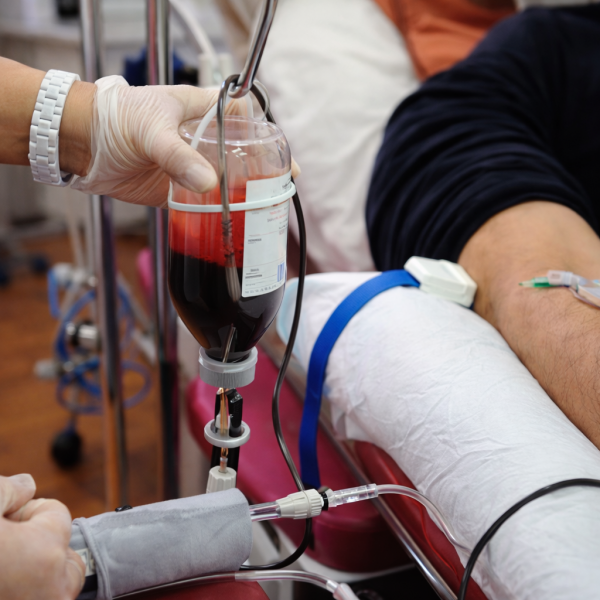
A small amount of the patient’s blood is withdrawn, mixed with ozone, and then reinfused into the body.
Rectal Insufflation
An oxygen-ozone gas mixture is introduced rectally and absorbed through the intestinal mucosa.
Local Ozone Therapy
Ozone may be applied locally for wound care or tissue healing after surgical procedures.
Ozone Sauna
In this method, the body is exposed to ozone in a specialized therapeutic chamber. Professional systems can deliver ozone with or without heat, allowing treatment of sensitive patients.
Molecular Microencapsulated Ozone
New biotechnology approaches have led to stabilized ozone-derived compounds that can be gradually released in the body and may support antioxidant defenses.
Limitations of Scientific Evidence
Although preliminary results are promising, it is important to note that clinical evidence regarding ozone therapy in oncology remains limited.
Most available data come from laboratory studies, animal models, or small clinical trials. More large-scale randomized clinical studies are required to confirm its safety and effectiveness.
Important Considerations
Ozone therapy should be used:
-
only under the supervision of qualified medical professionals
-
with certified medical equipment
-
as a complementary therapy alongside conventional cancer treatment.
Patients should always consult their oncologist before considering any complementary therapy.
Conclusion
Ozone therapy is increasingly being studied as a potential supportive approach in oncology, particularly for improving oxygenation, modulating immune responses, and supporting overall wellbeing.
While early research suggests potential benefits for symptom management and quality of life, further scientific studies are necessary to fully determine its role in cancer care.
When used under proper medical supervision and as part of an integrative approach, ozone therapy may serve as a supportive element in the care of oncology patients.
1 Comments
Здравейте! Колко е цената на домашната ампула и трябва ли първо преглед при Вас.
Здравейте! Цената на Ое Премиум може да откриете в сайта като изберете АКТИВОЗОН. Да, хубаво е да направите консултация на посоченият телефон.
Leave a Comment