
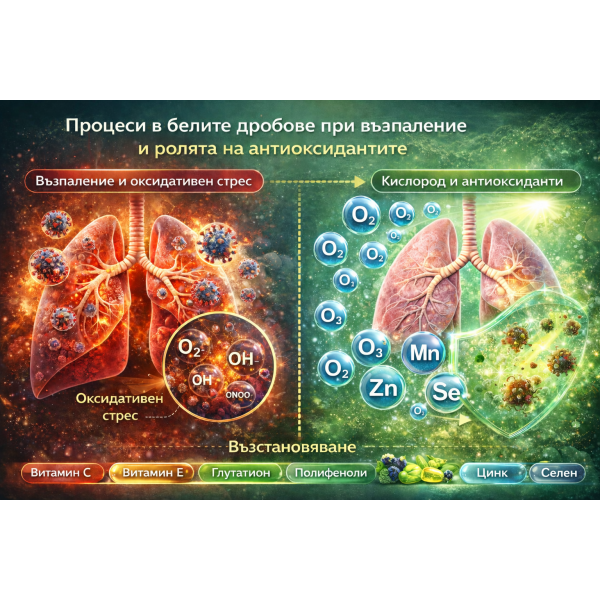
Ozone Therapy for Lung Diseases and Recovery After COVID-19
Ozone therapy is a method used in integrative medicine that involves the medical use of ozone — a controlled mixture of oxygen and ozone (O₃) produced by a specialized medical generator. The therapy has been applied in different areas of medicine because of its anti-inflammatory, antimicrobial, and immunomodulatory properties.
In recent years, interest in ozone therapy has increased in relation to respiratory diseases, including chronic lung conditions, infections, and recovery after viral illnesses such as COVID-19.
It is important to emphasize that medical ozone is not inhaled, as it can irritate lung tissue. In medical practice, ozone is applied through different therapeutic methods that allow systemic effects throughout the body without directly exposing the lungs to ozone.
How Ozone Therapy Works
Ozone is a highly reactive molecule that can trigger a variety of biological responses in the body when used in controlled medical concentrations.
The main mechanisms include:
Improved oxygen utilization
Ozone therapy can enhance the ability of cells to use oxygen and may improve microcirculation and tissue oxygenation.
Immune system modulation
Ozone can stimulate certain immune responses and help the body respond more effectively to infections.
Anti-inflammatory effects
Ozone therapy may reduce inflammatory processes, which play an important role in many chronic respiratory conditions.
Antimicrobial activity
Ozone has activity against bacteria, viruses, and fungi.
Ozone Therapy for Lung Diseases
Ozone therapy is not considered a primary treatment for lung diseases but may be used as a supportive therapy within an integrative medical approach.
Chronic Bronchitis
Chronic bronchitis involves long-term inflammation of the bronchial lining. Ozone therapy may help support the reduction of inflammatory processes and improve oxygen exchange.
Chronic Obstructive Pulmonary Disease (COPD)
Patients with Chronic Obstructive Pulmonary Disease (COPD) often experience chronic inflammation and reduced oxygenation. Some clinical observations suggest that ozone therapy may support microcirculation and oxygen metabolism.
Recurrent Respiratory Infections
Because of its immunomodulatory effects, ozone therapy may be included as part of programs designed to support immune function in people who experience frequent respiratory infections.
Ozone Therapy for COVID-19 and Post-COVID Syndrome
The global pandemic caused by COVID-19 has drawn attention to therapeutic approaches that may support the body during inflammatory reactions and impaired oxygen exchange.
Some patients experience post-COVID syndrome, which may include:
-
reduced lung capacity
-
persistent fatigue
-
chronic inflammation
-
impaired microcirculation
Within integrative medicine, ozone therapy may be used as a supportive method aimed at improving oxygen delivery, modulating inflammatory responses, and supporting recovery after infection.
Methods of Ozone Therapy Application
Several medical methods can be used to deliver ozone therapy and produce systemic effects in the body.
Major Autohemotherapy
One of the most widely used methods. A small amount of the patient’s blood is withdrawn, exposed to a controlled mixture of oxygen and ozone, and then reinfused back into the bloodstream.
Rectal Insufflation
In this method, a controlled amount of ozone is introduced into the rectum. Due to the rich blood supply of the intestinal mucosa, ozone can exert systemic effects throughout the body.
Ozone Capsule (Transdermal Ozone Therapy)
An ozone capsule is a device used for transdermal ozone therapy. During the procedure, the patient’s body is placed inside a special capsule while the head remains outside. Medical ozone is introduced into the capsule and interacts with the body through the skin.
Professional ozone capsules offer individual therapeutic programs, allowing treatment parameters to be adjusted according to the patient’s condition.
It is important to note that heat is usually not used in therapeutic programs for medical conditions. In such cases, the treatment is performed without thermal stress to avoid unnecessary strain on the body.
Transdermal ozone therapy may support:
-
peripheral circulation
-
detoxification processes
-
oxygen metabolism in tissues
-
overall recovery of the body
O₃ Premium – Dietary Supplement with Molecular Microencapsulated Ozone
O₃ Premium is a dietary supplement containing molecular microencapsulated ozone stabilized in a lipid medium. This technology allows ozone derivatives to remain stable and to be released gradually in the body.
Because of this formulation, the product is suitable for longer-term intake, providing a slower and more sustained effect compared with procedural ozone therapy methods.
The microencapsulation technology offers several advantages:
-
gradual release of active ozonides
-
suitability for longer-term use
-
smoother physiological action
-
stability of the active compounds
O₃ Premium can be used:
-
as a standalone dietary supplement
-
in combination with ozone therapy procedures as part of integrative therapeutic programs
In recovery programs following infections such as COVID-19, products like O₃ Premium may be used as a supportive component to help maintain a gradual and longer-lasting ozone-related effect in the body.
Integrative Approach for Lung Conditions
In integrative medicine, ozone therapy is often used within a combined therapeutic approach that includes several complementary methods.
This strategy allows for a more comprehensive effect on the body, combining systemic procedures with supportive therapies.
A comprehensive ozone therapy program may include:
-
major autohemotherapy – for systemic blood and oxygenation effects
-
rectal insufflation – to support systemic circulation through the intestinal mucosa
-
ozone capsule therapy – for transdermal support and circulation improvement
-
O₃ Premium supplementation – for supportive and longer-term ozone-related effects
Such an integrative approach may provide gradual and sustained support for the body, particularly in chronic conditions and during recovery after infections.
Safety and Contraindications
Ozone therapy should be performed only by trained medical professionals using certified medical equipment.
Important considerations include:
-
medical ozone should not be inhaled
-
ozone therapy does not replace standard medical treatment
-
it is used as a complementary therapy
Possible contraindications include:
-
G6PD deficiency (favism)
-
severe coagulation disorders
-
uncontrolled hyperthyroidism
-
acute myocardial infarction
A medical consultation is recommended before starting ozone therapy.
Conclusion
Ozone therapy is a method used in integrative medicine that may support the body through improved oxygen utilization, modulation of immune responses, and reduction of inflammatory processes.
In respiratory conditions — including recovery after COVID-19 — ozone therapy may be used as a supportive therapeutic approach.
Combining different methods such as autohemotherapy, rectal insufflation, ozone capsule therapy, and supportive supplementation with O₃ Premium may provide a more comprehensive strategy aimed at improving oxygen metabolism, reducing inflammation, and supporting the body's natural recovery processes.
Frequently Asked Questions (FAQ)
Can ozone therapy help with lung diseases?
Ozone therapy is not considered a primary treatment for lung diseases. However, it may be used as a supportive therapy to help improve oxygen utilization, reduce inflammation, and support immune function.
Is ozone inhaled during ozone therapy?
No. Medical ozone is not inhaled, as it can irritate lung tissue.
Instead, ozone therapy is applied using methods such as:
-
autohemotherapy
-
rectal insufflation
-
transdermal ozone capsule therapy
Can ozone therapy support recovery after COVID-19?
Some integrative medical programs use ozone therapy as a supportive approach after COVID-19, particularly when patients experience persistent symptoms such as fatigue, reduced lung capacity, or inflammatory processes.
What is an ozone capsule?
An ozone capsule is a device used for transdermal ozone therapy. The patient’s body is enclosed in the capsule while the head remains outside, allowing ozone to interact with the body through the skin.
In medical programs designed for specific conditions, heat is typically not used, and the treatment parameters are adjusted individually.
What is O₃ Premium?
O₃ Premium is a dietary supplement containing molecular microencapsulated ozone derivatives stabilized in a lipid medium.
It allows gradual release of active ozonides, making it suitable for longer-term supportive use, either alone or alongside ozone therapy procedures.
How many ozone therapy sessions are usually needed?
The number of sessions depends on:
-
the specific condition
-
the patient’s overall health
-
the therapeutic method used
In many cases, therapy is performed in a series of sessions, sometimes combined with supportive approaches.
Is ozone therapy safe?
When performed by trained professionals using certified medical equipment, ozone therapy is generally considered a safe complementary medical procedure.
However, certain contraindications exist, and medical evaluation is recommended before starting treatment.
Leave a Comment