
Ozone Therapy for Lumbar Spinal Stenosis – Mechanisms of Action and Therapeutic Potential
What Is Lumbar Spinal Stenosis
Lumbar spinal stenosis is a condition characterized by narrowing of the spinal canal in the lumbar region. This narrowing may compress nerve structures and disrupt normal blood circulation around the nerve roots.
The condition most often develops as a result of:
-
degenerative changes in the intervertebral discs
-
hypertrophy of the facet joints
-
formation of osteophytes
-
thickening of ligaments
-
disc herniation
Compression of the nerve structures can lead to various symptoms, including lower back pain, weakness, and numbness in the lower limbs.
Main Symptoms
Patients with spinal stenosis often experience:
-
lower back pain
-
pain radiating along the sciatic nerve
-
numbness or tingling in the legs
-
muscle weakness
-
neurogenic claudication (pain during walking)
Symptoms often worsen with prolonged standing or walking.
What Is Ozone Therapy
Ozone therapy is a medical method that uses a mixture of oxygen and ozone (O₂–O₃) in controlled concentrations.
Ozone is an active form of oxygen composed of three oxygen atoms and possesses strong biological and metabolic properties.
In medicine it is used to support:
-
stimulation of microcirculation
-
improvement of tissue oxygenation
-
reduction of inflammation
-
modulation of immune response
These effects are particularly relevant in conditions associated with reduced blood circulation and chronic inflammation.
Mechanisms of Action of Ozone in Lumbar Spinal Stenosis
Improvement of Microcirculation
One of the key effects of ozone therapy is the improvement of microcirculation.
Ozone can increase the release of oxygen from hemoglobin and enhance oxygen delivery to tissues. This supports cellular metabolism and reduces local hypoxia.
In spinal stenosis, nerve structures often suffer from reduced blood supply, which contributes to pain and neurological symptoms.
Improved microcirculation may lead to:
-
better oxygenation of nerve roots
-
reduction of local edema
-
improved cellular metabolism
Reduction of Inflammation
Inflammatory processes play an important role in degenerative spinal disorders.
Ozone may influence:
-
pro-inflammatory cytokines
-
prostaglandins
-
mediators involved in pain transmission
These effects may result in:
-
reduction of pain
-
decreased inflammation around nerve roots
-
improved spinal function
Reduction of Nerve Root Compression
In certain spinal conditions involving disc pathology, ozone may contribute to a reduction in nerve compression.
Clinical observations indicate that ozone injections may reduce disc volume and relieve nerve pressure, improving symptoms in patients with radicular pain.
This may result in:
-
reduced nerve irritation
-
decreased pain
-
improved mobility
Analgesic Effect
Ozone therapy may also produce a direct analgesic effect.
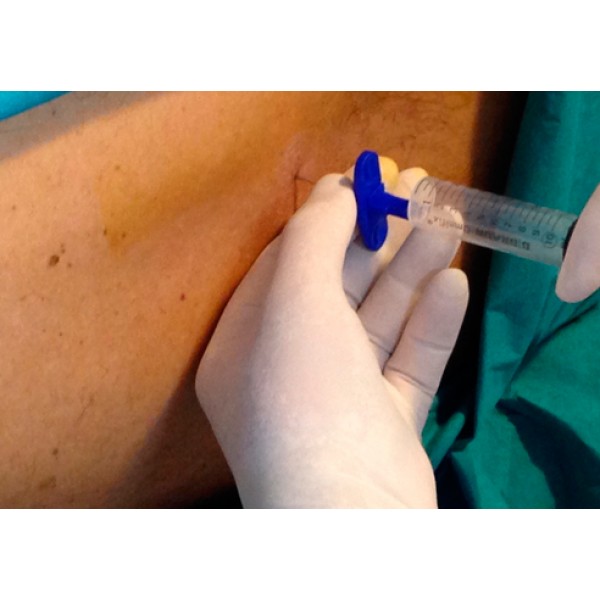
Paravertebral oxygen-ozone injections have been reported to be minimally invasive and effective in reducing pain and disability in patients with low back pain.
Pain reduction is associated with:
-
decreased inflammation
-
improved blood flow
-
reduction of muscular spasm
Activation of the Antioxidant System
Ozone may stimulate the body's antioxidant defense mechanisms by activating enzymes such as:
-
superoxide dismutase
-
catalase
-
glutathione peroxidase
These enzymes protect cells from oxidative stress and help maintain cellular balance.
Methods of Ozone Therapy Application
Ozone therapy may be applied using different medical techniques.
Paravertebral Injections
Ozone is injected into muscles near the spine.
This method may help:
-
reduce muscle spasms
-
improve local microcirculation
-
relieve pain
Epidural Ozone Therapy
In this technique ozone is introduced into the epidural space.
The aim is to:
-
reduce inflammation
-
improve nerve function
-
decrease pressure on nerve roots
Intradiscal Ozone Therapy
In intradiscal therapy ozone is injected directly into the intervertebral disc.
This approach may reduce disc volume and decrease compression of nerve structures.
Systemic Ozone Therapy
Systemic methods include:
-
major autohemotherapy
-
rectal insufflation
-
molecular microencapsulated ozone (oral form)
These approaches may support:
-
systemic microcirculation
-
antioxidant protection
-
metabolic processes
Potential Benefits of Ozone Therapy
Ozone therapy may help support:
-
reduction of pain
-
improvement of mobility
-
reduction of inflammation
-
improvement of microcirculation
-
reduction of nerve compression
Ozone Therapy as Part of a Comprehensive Approach
In the management of lumbar spinal stenosis, ozone therapy is often combined with:
-
physiotherapy
-
therapeutic exercise
-
weight control
-
anti-inflammatory treatments
A comprehensive therapeutic strategy may lead to improved clinical outcomes and quality of life.
Conclusion
Lumbar spinal stenosis is a common degenerative spinal disorder that can significantly affect quality of life.
Ozone therapy represents a minimally invasive treatment approach that may support:
-
microcirculation
-
tissue oxygenation
-
reduction of inflammation
-
relief of pain
These mechanisms make ozone therapy a promising adjunctive option in the management of degenerative spinal conditions.
Leave a Comment