
The Role of Oxidative Stress in the Aging Process
Aging is a natural biological process influenced by many factors. One of the most important mechanisms associated with the aging of cells and tissues is oxidative stress.
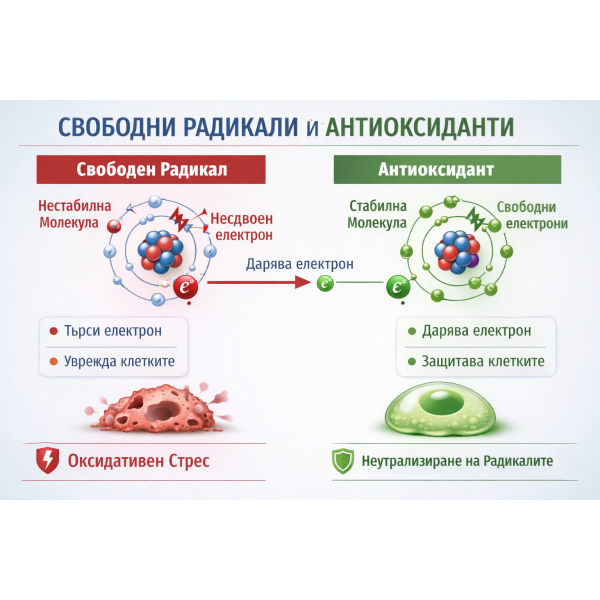
Oxidative stress occurs when excessive amounts of free radicals accumulate in the body. These unstable molecules can damage cells, proteins, and DNA. Over time, this damage may contribute to accelerated tissue aging and the development of various health problems.
What Are Free Radicals
Free radicals are unstable molecules that are produced in the body during normal metabolic processes. Their levels can increase under the influence of various environmental and lifestyle factors.
Some of the most common sources of free radicals include:
-
air pollution
-
smoking
-
ultraviolet radiation
-
chronic stress
-
unhealthy diet
When the amount of free radicals becomes excessive, the body may struggle to maintain cellular balance.
How Oxidative Stress Influences Aging
Oxidative stress is considered one of the major contributors to the aging process. It can affect different cellular structures and interfere with normal cell function.
The effects of oxidative stress may include:
-
damage to cell membranes
-
disruption of DNA structure
-
reduced cellular energy production
-
accelerated tissue aging
These processes are associated with gradual changes in the body, including loss of skin elasticity, slower tissue regeneration, and reduced vitality.
The Body’s Antioxidant Defense System
The human body has natural mechanisms that protect cells from the harmful effects of free radicals. This protective system is known as the antioxidant defense system.
Among the main antioxidant enzymes are:
-
superoxide dismutase
-
catalase
-
glutathione peroxidase
These enzymes play an important role in neutralizing free radicals and maintaining cellular balance.
Factors That May Increase Oxidative Stress
Various lifestyle and environmental factors may increase oxidative stress in the body.
Some of these factors include:
-
chronic stress
-
lack of sleep
-
poor nutrition
-
exposure to toxins
-
environmental pollution
Maintaining a healthy lifestyle may help reduce the accumulation of free radicals in the body.
Approaches to Maintaining Antioxidant Balance
There are several strategies that may help support the body’s antioxidant balance.
These include:
-
a balanced diet rich in antioxidants
-
regular physical activity
-
sufficient sleep
-
effective stress management
In addition to these lifestyle factors, various methods used in functional and regenerative medicine aim to support the body’s natural protective mechanisms.
Ozone Therapy and Antioxidant Protection
One of the methods being studied in relation to antioxidant defense is ozone therapy.
When applied in controlled medical settings, ozone may stimulate certain adaptive responses in the body, including the activation of antioxidant enzymes.
This effect may help improve the body's ability to cope with oxidative stress and maintain better cellular balance.
Hydrogen Inhalation and Hydrogen-Rich Alkaline Water
In recent years, growing attention has been given to the role of molecular hydrogen as a potential antioxidant. Some studies suggest that molecular hydrogen may selectively neutralize certain reactive oxygen species associated with oxidative stress.
Among the approaches used are:
-
hydrogen inhalation therapy
-
consumption of hydrogen-rich alkaline water
These methods are considered complementary strategies aimed at supporting the body’s antioxidant balance. Hydrogen inhalation allows rapid absorption of molecular hydrogen through the respiratory system, while hydrogen-rich water may be consumed as part of daily hydration.
Supporting the Body Through Nutritional Supplements
In addition to medical procedures and a healthy lifestyle, various nutritional supplements are used to support the body from within.
One example is OE Premium, a dietary supplement containing molecular microencapsulated ozone for oral intake.
Thanks to the microencapsulation technology, the active molecules are released gradually. This approach is designed to support mechanisms similar to those involved in ozone autohemotherapy, but in a gentler and more controlled manner.
Conclusion
Oxidative stress plays an important role in the aging process and can influence the health of cells and tissues. Maintaining a balance between free radicals and the body’s antioxidant defense is a key factor in supporting overall health.
A healthy lifestyle, balanced nutrition, and approaches from regenerative medicine may help maintain this balance. Methods such as ozone therapy, hydrogen inhalation, hydrogen-rich alkaline water, and nutritional supplementation are increasingly explored as ways to support the body’s natural recovery mechanisms.
Leave a Comment