
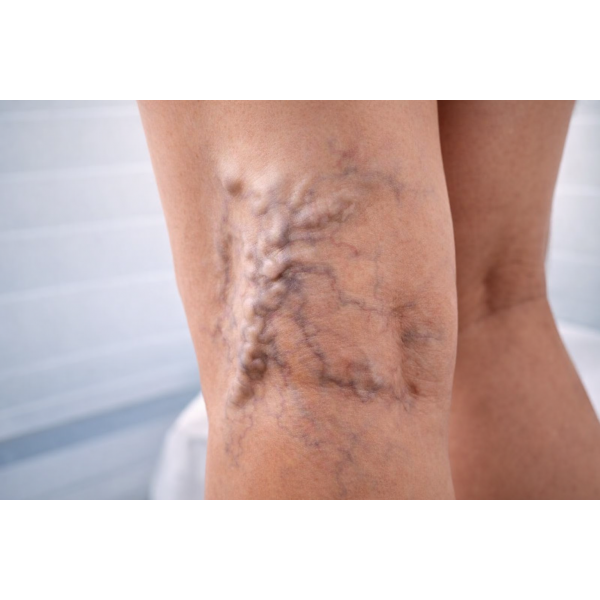
Ozone Therapy for Varicose Veins – Effects on Microcirculation and Venous Blood Flow
What Are Varicose Veins
Varicose veins are a chronic disease of the venous system in which the veins become enlarged and lose their elasticity. The veins of the lower limbs are most commonly affected.
The main symptoms may include:
-
heaviness in the legs
-
swelling of the ankles
-
pain and tension
-
a feeling of fatigue
-
visible enlarged veins
Varicose veins are associated with impaired venous circulation, which leads to blood pooling in the veins and increased pressure within the venous system.
Causes of Varicose Veins
Varicose veins develop as a result of a combination of different factors.
The most common causes include:
-
genetic predisposition
-
prolonged standing or sitting
-
hormonal factors
-
pregnancy
-
excess body weight
-
insufficient physical activity
All these factors may lead to impaired venous blood flow and damage to the venous valves.
What Is Ozone Therapy
Ozone therapy is a therapeutic method in which a mixture of oxygen and ozone (O₂–O₃) is used in controlled medical concentrations.
Ozone is an active form of oxygen composed of three oxygen atoms.
In medicine, ozone therapy is used to:
-
improve tissue oxygenation
-
stimulate microcirculation
-
activate the antioxidant system
-
improve cellular metabolism
These effects may be beneficial in conditions associated with impaired circulation, such as venous insufficiency.
Mechanisms of Action of Ozone on the Venous System
Improvement of Microcirculation
One of the most important effects of ozone is the improvement of microcirculation.
Ozone may increase the release of oxygen from hemoglobin and improve the transport of oxygen to the tissues.
This leads to:
-
better oxygen supply to cells
-
improvement of metabolic processes
-
reduction of tissue hypoxia
Improvement of Venous Blood Flow
Ozone may have a positive effect on the rheological properties of the blood.
This means that it may improve:
-
blood fluidity
-
microcirculation
-
venous blood flow
Improved blood flow may help reduce venous stasis.
Stimulation of Lymphatic Drainage
In venous insufficiency, fluid retention and swelling of the legs are frequently observed.
Ozone may support:
-
lymphatic drainage
-
elimination of metabolic waste products
This may lead to a reduction in edema.
Reduction of Inflammatory Processes
Chronic venous insufficiency is associated with inflammatory processes in the walls of blood vessels.
Ozone may influence inflammatory mediators and help support:
-
reduction of inflammation
-
improvement of the condition of the vascular wall
Ozone Therapy and Oxidative Stress
Ozone may stimulate the antioxidant defense of the body.
This occurs through the activation of enzymes such as:
-
superoxide dismutase
-
catalase
-
glutathione peroxidase
These enzymes play an important role in protecting cells against oxidative stress.
Potential Benefits of Ozone Therapy for Venous Problems
In patients with venous insufficiency, ozone therapy may support:
-
improvement of blood circulation
-
reduction of edema
-
reduction of the sensation of heaviness in the legs
-
improvement of tissue oxygenation
Ozone Therapy as Part of a Comprehensive Approach
In practice, ozone therapy is often combined with other methods such as:
-
physical activity
-
compression therapy
-
healthy nutrition
-
body weight control
A combined approach may lead to better results in managing venous problems.
Conclusion
Ozone therapy represents an interesting therapeutic approach for supporting microcirculation and venous blood flow.
Through its effects on:
-
tissue oxygenation
-
microcirculation
-
inflammatory processes
-
the antioxidant system
ozone may be part of a comprehensive approach to maintaining the health of the venous system.
FAQ – Ozone Therapy and Varicose Veins
Does ozone therapy help with varicose veins?
Ozone therapy may support microcirculation and tissue oxygenation.
How does ozone affect blood circulation?
Ozone may improve oxygen transport and the rheological properties of the blood.
Is ozone therapy suitable for venous insufficiency?
The therapy may be used as a complementary method alongside other medical approaches.
Leave a Comment