
Ozone Therapy for Diabetes – Effects on Microcirculation, Glucose Metabolism and Complications
What Is Diabetes
Diabetes is a chronic metabolic disease characterized by elevated blood glucose levels due to impaired insulin secretion or action.
The main forms are:
-
Type 1 diabetes – autoimmune destruction of pancreatic β-cells
-
Type 2 diabetes – insulin resistance and impaired insulin secretion
Prolonged hyperglycemia can lead to damage to:
-
blood vessels
-
the nervous system
-
the kidneys
-
the eyes
One of the most serious consequences is impaired microcirculation, which can lead to diabetic angiopathy and complications such as diabetic foot.
What Is Ozone Therapy
Ozone therapy is a medical method in which a mixture of oxygen and ozone (O₂–O₃) is used in controlled concentrations.
Ozone is an active form of oxygen composed of three oxygen atoms and has high biological activity.
In medical practice, ozone therapy is used to support:
-
tissue oxygenation
-
microcirculation
-
antioxidant defense
-
metabolic processes
These effects are particularly important in diseases associated with impaired circulation and oxidative stress, such as diabetes.
Mechanisms of Action of Ozone in Diabetes
Improvement of Tissue Oxygenation
Ozone may stimulate the release of oxygen from hemoglobin.
This improves the oxygen supply to tissues and may reduce tissue hypoxia, which is commonly observed in diabetic complications.
Improvement of Microcirculation
Diabetes leads to damage to small blood vessels.
Ozone therapy may support:
-
improved microcirculation
-
increased capillary blood flow
-
improved rheological properties of blood
These effects are particularly important in complications such as diabetic foot.
Stimulation of the Antioxidant System
Oxidative stress plays a key role in the development of diabetic complications.
Studies suggest that ozone therapy may activate antioxidant enzymes such as:
-
superoxide dismutase
-
catalase
-
glutathione peroxidase
These enzymes protect cells from damage caused by free radicals.
Improvement of Glucose Metabolism
Some studies suggest that ozone may positively influence glucose metabolism.
It may stimulate the uptake of glucose into cells and support cellular energy metabolism.
In some clinical observations, a reduction in HbA1c and improved glycemic control has also been reported.
Ozone Therapy and Diabetic Complications
Diabetic Foot
Diabetic foot is one of the most common complications of diabetes.
Some clinical studies suggest that ozone therapy may support:
-
wound healing
-
reduction of infection
-
improvement of microcirculation
In certain analyses, faster wound healing and shorter hospital stays have been observed in patients receiving ozone therapy as an adjunct to standard treatment.
Diabetic Neuropathy
Neuropathy results from nerve damage caused by chronic hyperglycemia.
Improved microcirculation and tissue oxygenation may support:
-
nerve cell function
-
recovery of nerve conduction
Diabetic Angiopathy
Diabetes often leads to damage to both small and large blood vessels.
Ozone therapy may support:
-
vascular endothelial function
-
microcirculation
-
tissue metabolism
Methods of Ozone Therapy Application in Diabetes
In clinical practice, different methods are used, including:
-
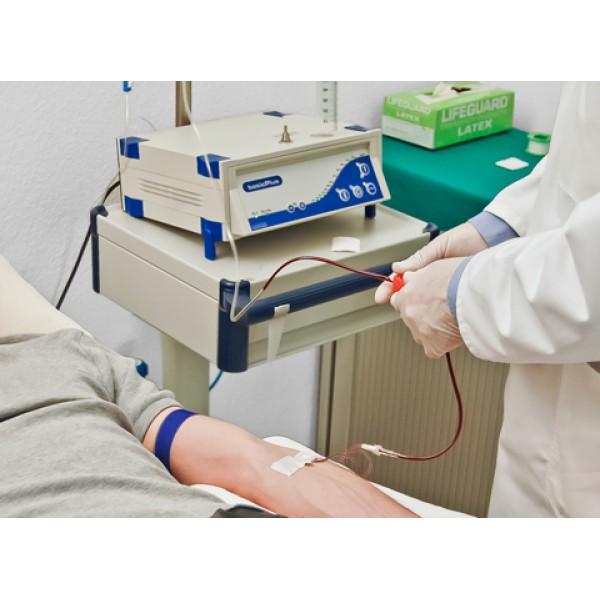
major autohemotherapy
-
rectal insufflation
-
ozone sauna capsule
-
ozonated oils
-
molecular microencapsulated ozone (oral form)
Each method has different goals and may be used as part of a comprehensive therapeutic approach.
Ozone Therapy as Part of Comprehensive Treatment
Ozone therapy does not replace standard diabetes treatment.
It may be used as a complementary approach in combination with:
-
medical therapy
-
blood glucose control
-
healthy nutrition
-
physical activity
-
body weight management
Conclusion
Diabetes is a complex metabolic disease that affects multiple systems in the body.
Through its effects on:
-
tissue oxygenation
-
microcirculation
-
antioxidant defense
-
metabolic processes
ozone therapy may serve as a complementary approach to support the body and reduce the risk of diabetic complications.
Leave a Comment