
Ozone Therapy in Aesthetic Medicine – A Natural Approach to Healthy and Rejuvenated Skin
What Is Ozone Therapy
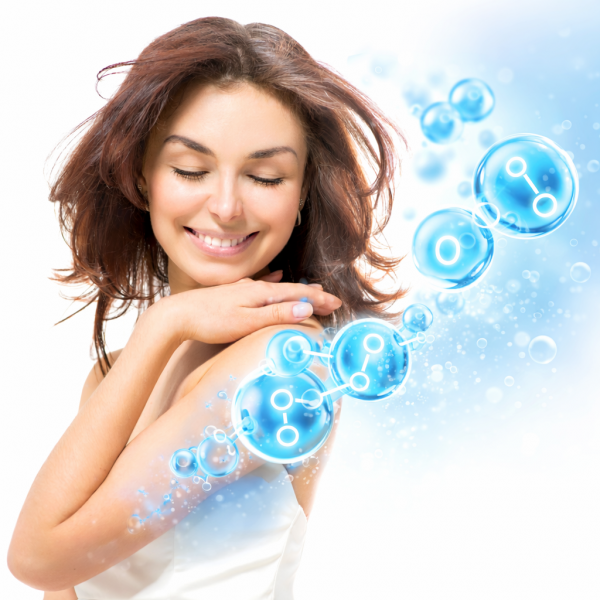
Ozone therapy is a medical method that uses a mixture of oxygen and ozone (O₂–O₃) to stimulate various physiological processes in the body. Ozone is an active form of oxygen composed of three oxygen atoms and has high biological activity.
In medical practice, ozone is used in controlled concentrations and may influence a number of biological mechanisms, including:
-
improving tissue oxygenation
-
stimulating the immune system
-
activating antioxidant defenses
-
supporting cellular regeneration
In recent years, ozone therapy has found applications not only in medicine but also in aesthetic medicine and dermatology, where it is used as part of skin rejuvenation programs and treatments aimed at improving skin condition.
How Ozone Acts on the Skin
When ozone interacts with biological tissues, it can trigger a series of biochemical reactions that activate the body's protective mechanisms.
Improving Cellular Oxygenation
Ozone may help improve the delivery of oxygen to cells by stimulating microcirculation. This enhances the supply of oxygen and nutrients to tissues.
Improved skin oxygenation may contribute to:
-
better cellular metabolism
-
faster tissue recovery
-
healthier and more radiant skin appearance
Stimulation of Collagen Synthesis
Collagen is the main structural protein of the skin. It provides elasticity and strength.
As we age, collagen production gradually decreases, which leads to:
-
wrinkles
-
loss of elasticity
-
skin sagging
Some scientific studies suggest that ozone may stimulate the activity of fibroblasts – the cells responsible for producing collagen and elastin.
This may contribute to:
-
improved skin structure
-
reduction of fine lines
-
firmer and smoother skin
Antimicrobial Action
Ozone has strong antibacterial, antiviral, and antifungal properties.
It can disrupt the cell membranes of microorganisms and affect their metabolic activity.
For this reason, ozone is used in cases such as:
-
acne
-
inflammatory skin conditions
-
bacterial skin infections
Reduction of Inflammation
Ozone may influence different cellular signals that regulate inflammatory processes.
It may support:
-
reduction of skin inflammation
-
improvement of the skin barrier
-
restoration of skin balance
Main Applications of Ozone Therapy in Aesthetic Medicine
Skin Rejuvenation
Ozone therapy is used as part of anti-aging programs aimed at improving skin condition.
It may help support:
-
improved skin elasticity
-
stimulation of cellular regeneration
-
reduction of fine lines and wrinkles
Acne and Problematic Skin
Due to the antimicrobial properties of ozone, the therapy may support acne treatment.
Possible effects include:
-
reduction of bacterial activity
-
reduction of inflammation
-
support for skin regeneration
Stretch Marks and Scars
Stretch marks and scars result from damage to skin fibers.
Ozone therapy may support:
-
regeneration of skin tissue
-
stimulation of fibroblasts
-
formation of new collagen
This may improve the appearance of the skin and reduce the visibility of scars.
Cellulite
Cellulite is associated with:
-
impaired microcirculation
-
fluid retention
-
localized fat deposits
Ozone may support:
-
improved blood circulation
-
stimulation of lymphatic drainage
-
improvement of skin texture
Biological Mechanisms of Ozone Action
Ozone is a strong oxidizing agent and, when interacting with biological tissues, may activate various cellular mechanisms.
These mechanisms include:
-
stimulation of antioxidant enzymes
-
activation of cellular regeneration
-
improvement of cellular metabolism
Ozone may also activate protective mechanisms in the body that help maintain cellular balance.
Ozonated Oils in Dermatology and Cosmetics
In addition to medical procedures, ozone is also used in the form of ozonated vegetable oils.
These oils are obtained by treating vegetable oils with ozone. During the process, stable compounds are formed that can gradually release active oxygen when they come into contact with the skin.
Ozonated oils may support:
-
restoration of the skin barrier
-
wound healing
-
reduction of skin infections
Combining Ozone Therapy with Other Aesthetic Procedures
In modern aesthetic medicine, ozone therapy is often combined with other treatments.
PRP Therapy
The combination with platelet-rich plasma (PRP) may support:
-
collagen stimulation
-
tissue regeneration
-
skin rejuvenation
Mesotherapy
Ozone may be combined with mesotherapy to support:
-
improved microcirculation
-
stimulation of cellular metabolism
Cosmetic Products
Ozonated products may also be used as part of daily skincare routines.
Ozone Therapy and the Skin Microbiome
The skin contains a complex microbial ecosystem known as the skin microbiome.
Imbalance in the microbiome may lead to:
-
acne
-
dermatitis
-
inflammatory skin conditions
Ozone may help support the balance between beneficial and pathogenic microorganisms.
Safety and Limitations
Despite its potential benefits, ozone therapy should always be performed by qualified medical professionals.
In some cases, further clinical research is needed to fully confirm the long-term effects of the therapy.
Ozone Therapy as Part of a Holistic Approach to Beauty
Modern aesthetic medicine increasingly focuses on a holistic approach that combines internal health and external appearance.
Ozone therapy may be part of a comprehensive strategy that includes:
-
balanced nutrition
-
antioxidant support
-
physical activity
-
proper skincare
Conclusion
Ozone therapy represents an interesting and developing method in aesthetic medicine.
By stimulating:
-
cellular oxygenation
-
microcirculation
-
collagen synthesis
-
skin regeneration
it may be used as a complementary approach to support the health and appearance of the skin.
Ozonated products and therapies can be incorporated into comprehensive skincare programs and healthy lifestyle strategies.
Leave a Comment