
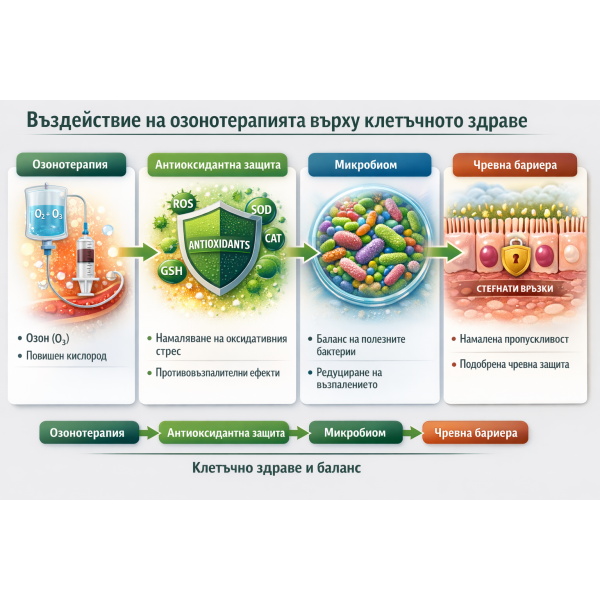
How Ozone Therapy Influences the Microbiome and Oxidative Stress
Ozone therapy is a medical approach that uses a mixture of oxygen and ozone (O₃) in controlled concentrations. This method is used in various fields of medicine with the aim of supporting the body’s natural recovery and regenerative processes.
In recent years, scientific interest in ozone therapy has increased, particularly regarding its role in regulating oxidative balance, inflammatory processes, and cellular metabolism. Some studies also explore the potential relationship between ozone therapy and the gut microbiota.
The balance between oxidative stress, the microbiome, and the intestinal barrier plays an important role in maintaining overall health.
What Is Oxidative Stress
Oxidative stress occurs when excessive amounts of reactive oxygen species (ROS), commonly known as free radicals, accumulate in the body.
When the balance between free radicals and antioxidant defense is disrupted, several biological processes may occur, including:
-
damage to cellular membranes
-
changes in DNA structure
-
inflammatory reactions
-
impaired cellular function.
Oxidative stress has been associated with many chronic conditions and may influence metabolism, immune function, and digestive health.
Ozone Therapy and Antioxidant Defense
Although ozone is a strong oxidizing agent, when applied in controlled medical doses it may stimulate the body’s adaptive protective mechanisms.
This effect is known as a hormetic response, in which a mild oxidative stimulus activates the antioxidant defense systems of the cells.
As a result, the following effects may occur:
-
activation of antioxidant enzymes
-
improvement of cellular metabolism
-
reduction of inflammatory processes
-
improved oxygen utilization.
Among the main antioxidant enzymes that may be activated are:
-
superoxide dismutase
-
catalase
-
glutathione peroxidase.
The Gut Microbiota and Its Importance
The gut microbiota represents a complex ecosystem of microorganisms living in the digestive system.
These microorganisms play a key role in:
-
digestion
-
vitamin production
-
regulation of the immune system
-
maintenance of the intestinal barrier.
The balance of the gut microbiota can be influenced by various factors, including:
-
diet
-
medications
-
infections
-
chronic stress
-
inflammatory processes.
The Influence of Oxidative Stress on the Microbiome
Oxidative stress may affect both the balance of the gut microbiota and the function of the intestinal barrier.
When oxidative stress levels increase, several changes may occur:
-
imbalance of the microbiota (dysbiosis)
-
inflammation of the intestinal lining
-
increased intestinal permeability
-
activation of the immune system.
For this reason, maintaining antioxidant balance is an important factor for digestive health.
The Relationship Between the Microbiome and the Intestinal Barrier
The intestinal barrier is a protective system that regulates the passage of substances from the intestines into the bloodstream.
It consists of several components, including:
-
a protective mucus layer
-
epithelial cells
-
tight junctions between cells
-
the gut microbiota.
When this barrier becomes compromised, toxins and bacteria may enter the bloodstream and trigger inflammatory responses.
A Comprehensive Approach to Cellular Health
Maintaining a healthy balance between the microbiome, oxidative stress, and the intestinal barrier usually requires a comprehensive approach.
This may include:
-
balanced nutrition
-
support for the gut microbiota
-
reduction of oxidative stress
-
stress management
-
approaches from regenerative medicine.
OE GAST and Digestive System Support
In practice, various nutritional supplements are often used to support the normal function of the digestive system.
OE GAST is a product developed to help support:
-
the balance of the gut microbiota
-
the protection of the intestinal lining
-
the normal function of the digestive system.
Such products may be part of a comprehensive strategy for maintaining gastrointestinal health.
OE PREMIUM and Cellular Oxidative Balance
Cellular oxidative balance plays an important role in maintaining overall health.
OE PREMIUM is a dietary supplement containing molecular microencapsulated ozone for oral intake, developed to support the body’s natural regenerative mechanisms.
This technology allows the gradual release of active molecules and may support processes similar to those observed in ozone autohemotherapy, but in a gentler and more controlled manner.
Conclusion
Ozone therapy represents an interesting approach in modern regenerative medicine that may support the body’s adaptive antioxidant mechanisms and influence inflammatory processes.
The balance between oxidative stress, the gut microbiota, and the intestinal barrier plays a key role in maintaining cellular health and normal physiological function.
Maintaining a healthy lifestyle, balanced nutrition, and strategies aimed at supporting the microbiome and antioxidant defense may contribute to overall well-being.
Leave a Comment